The quiet corners, and the thinking around them.

Writing

Two threads run through what I write here — hidden gems (places, the quiet ones — some I have travelled to, some still on a list I keep) and essays (the slower pieces, on the psychology of spaces, on noticing, on the gap between what people say and what they do). Each piece is a standalone read.

Essays
Ecotones: the ecology of edges
Frederic Clements coined the word in 1904, combining eco- with the Greek tonos, tension. An ecotone is where homes pull against each other. The ecological evidence says the boundary is generative only when both sides are substantial enough to sustain the tension.
Hidden gems
Gjirokastër, Albania: the city made of one material
In Gjirokastër the geology and the architecture are the same substance. Grey limestone underfoot, grey limestone in the walls, grey limestone laid flat across the roofs. I have not been. This is an essay about wanting.
Hidden gems
Gyumri, Armenia: the city that kept making things
Gyumri is a city built from black volcanic stone where the craft traditions survived the 1988 earthquake better than the buildings did. One coppersmith still makes a cup that sings when you drink from it.
Hidden gems
Oaxaca: smoke and black clay
The craft villages fan out from Oaxaca like spokes on a wheel. Black clay in one, weaving in another, mezcal in a third. A longing essay about the city where making never got separated from living.
Hidden gems
Ghent, Belgium: the city that kept its day job
Ghent is the Belgian city that never agreed to become a postcard. While Bruges froze itself around 1500, Ghent kept working. More than 80,000 students share the medieval core with the tourists, and someone bolted a bronze dog to the top of the university library to keep it honest.
Hidden gems
Luang Prabang, Laos: the city that starts with giving
Before the sun clears the hills above Luang Prabang, a line of monks comes down the street in saffron robes, barefoot, single file, each one holding a lidded bowl against his hip. I have not been there. I have been reading about this town for a couple of weeks, and the picture I keep returning to is the bowl, and the rice, and the fact that a whole town organizes its early morning around giving food away.
Hidden gems
Valletta, Malta: the fortress that became a city
Valletta is about a kilometer long, and the men who built it laid it down as a single straight grid, every street carved over a bare limestone peninsula. A capital drawn as a weapon, then filled with the most extravagant Baroque interiors in Europe.
Hidden gems
Val Bavona, Ticino: the valley that chose to stay off the grid
A valley in Ticino where the hamlets sit off the grid, the houses are built under glacial boulders called splüi, and the whole place empties every winter. I have not been there. I have been reading about it for two weeks.
Hidden gems
Mostar, Bosnia: the bridge they rebuilt
Mostar's Stari Most stood for 427 years before Croat shells brought it down in 1993. They rebuilt it eleven years later, in the same limestone, with the same mortar. The rebuilt bridge is a different bridge, and Mostar knows it.
Essays
The intelligence of emptiness
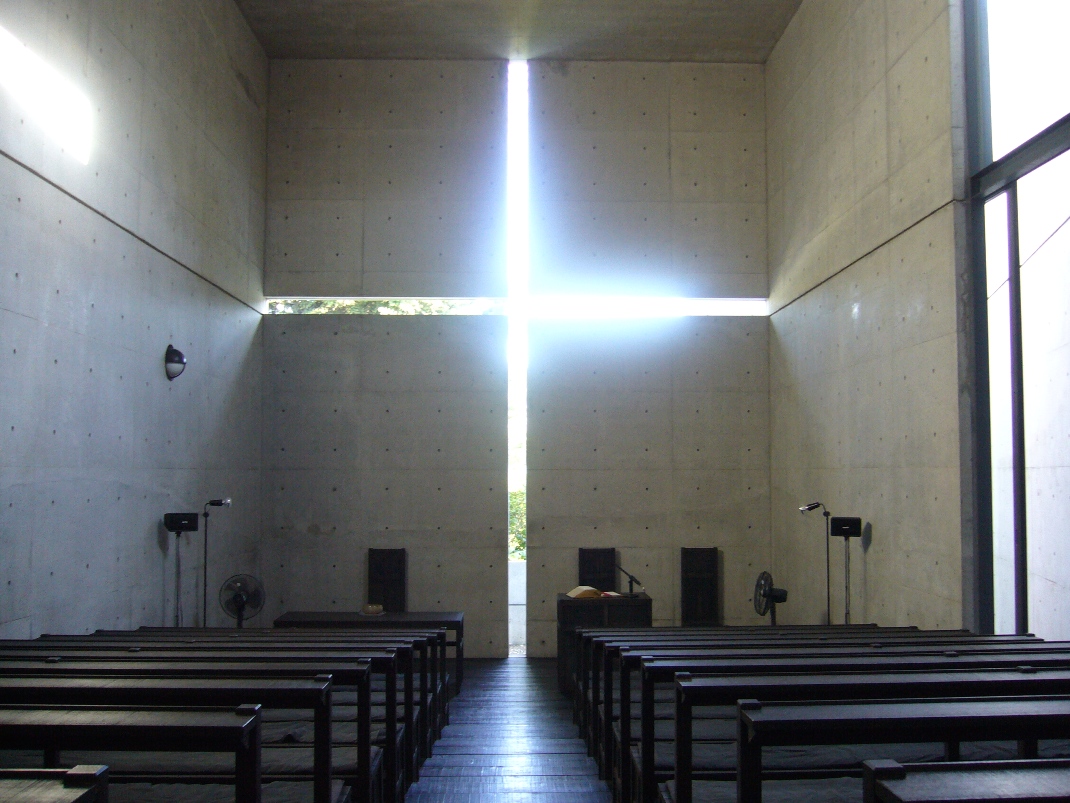
The most important part of a room is the part nobody builds. In architecture, music, and the way a mind holds a question, the part that isn't there is doing the real work.
Hidden gems
Essaouira, Morocco: the wind and the wood
Essaouira is the only city I have ever wanted to visit because of its weather, and its weather is mostly a complaint.
Hidden gems
Trieste: the city that outlived its empire
Trieste was built to give a landlocked empire a coastline. In 1719 Vienna declared it a free port. In 1918 the empire disappeared. The city is still working out what to be instead.
Hidden gems
Higashiyama, Kyoto: a week of quiet mornings off the tourist route
I came thinking the trip would be temples. It turns out to be mornings.
On deck

More hidden-gems pieces, and the first of the essays. Cadence is slow on purpose.