Oaxaca: smoke and black clay


The object I can’t stop thinking about is a stone. Not a temple or a ruin: a metate, the three-legged slab of volcanic rock that Oaxacan cooks still kneel over to grind chocolate, chiles, and corn by hand. In most of the world a tool like that lives behind museum glass. In Oaxaca, from everything I’ve read, it’s still on the kitchen floor, wearing a little smoother every year under someone’s forearms. I should say now that I have not been. I’ve been reading about this place for a few weeks, which is its own kind of knowing, and the metate is where the reading keeps landing me, because it’s the clearest version of the thing that pulls me: a place where the making never got separated from the living.
That’s the claim I keep testing against the research, and so far it holds. The craft villages fan out from the city like spokes on a wheel. Black clay in one. Weaving in another. Painted wood creatures in a third. Mezcal in a fourth. And the city sits at the hub, holding them together with market smoke and a sauce that can take a day or more to build.
the villages, each with one thing
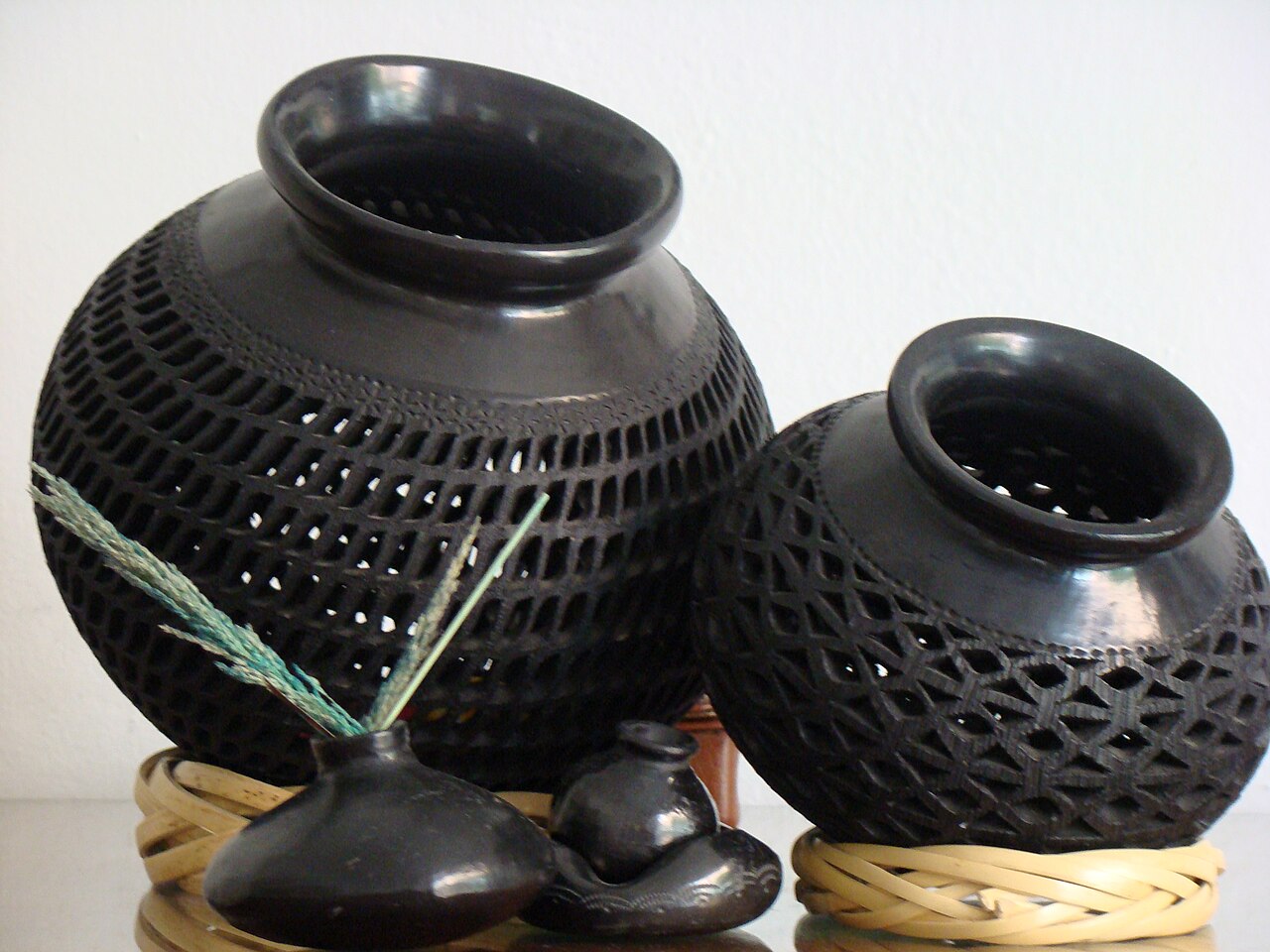
Start with the clay. In San Bartolo Coyotepec, a village south of the city, potters make barro negro, black clay that comes out of the ground grey and turns a deep graphite-black in a low-oxygen firing. What I keep reading is that its high shine came from one woman: Doña Rosa, who worked out that you could burnish the leather-hard pot with a piece of quartz before firing and get that near-metallic gloss. I’m taking that attribution from the reading and flagging it as something to ground rather than a thing I know cold. But the technique itself is verifiable, and it’s the kind of detail I love: not an ancient anonymous tradition, a specific person’s hand, still named.
Then the weaving. Teotitlán del Valle is a Zapotec town that has woven wool for a very long time, on the telar de pedal, the standing treadle loom the Dominican friars brought around 1535 along with the sheep. It’s a big wooden frame, and the weaver runs it with both feet working the pedals and both hands at the weft, the whole body feeding the cloth. I can’t think of a more literal version of the body being in the work.
And the wood. The carved, furiously painted animals people call alebrijes come, in this valley, mostly from San Martín Tilcajete and San Antonio Arrazola. Copal wood, cut and carved wet, then painted in patterns so fine they’re done with a few brush hairs. The word alebrije has a Mexico City origin story I won’t repeat here because I haven’t run it down yet, but the Oaxacan wooden ones are a real and distinct craft, and that’s the part I’m sure of.
the smoke
The city’s own draw is edible, and most of it seems to happen inside three markets. Mercado Benito Juárez for the dry goods and the chocolate. Central de Abastos, the big one on the edge of town, for everything at once. And Mercado 20 de Noviembre for the passage everyone calls the smoke alley: a corridor of grills where you buy raw meat from one stall and hand it to another to cook over coals, and the whole aisle stays hazed. That’s where the tlayuda lives, the large thin tortilla crisped on a comal and loaded until it stops being a snack, and the chapulines, grasshoppers toasted with lime and chile that I have read about with the specific curiosity of someone who suspects he’d like them.
Over all of it is mezcal, which is smoke made into a drink. The agave hearts get roasted in earth pits before they’re crushed and fermented, and that pit-roast is why the good stuff tastes like a campfire. The distilleries are called palenques, and they’re scattered through the valley among the maguey fields. I’ve read that the smoke isn’t only in the glass, that it hangs over parts of the valley at roasting time. I can’t confirm the smell of a place I haven’t stood in. That’s the honest limit of a longing essay, and it’s a real cost here, because Oaxaca is a food-and-smell place and the reading gives me everything about it except the two senses that would matter most.
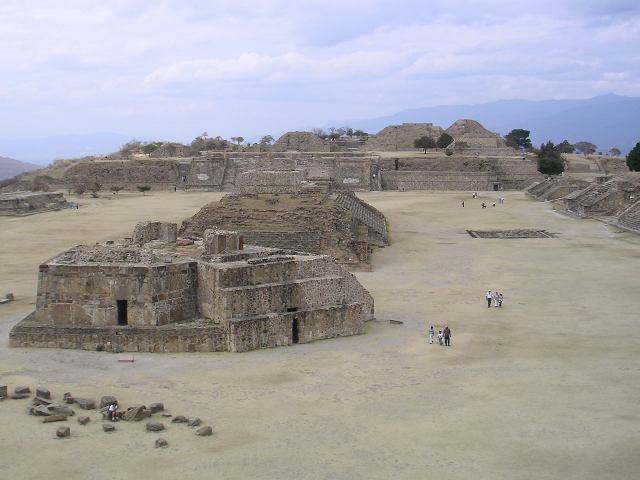

Here’s the opinion I’ll commit to and pay for later if I’m wrong. Monte Albán, the Zapotec city on the flattened hilltop above town, is the thing every itinerary leads with, and I’d give it an afternoon and give the villages the week. The ruins are extraordinary and they are also finished, fixed, done being made. The clay and the wool and the copal are still going. The living tradition is the one I’d cross an ocean for, not the beautiful dead one.
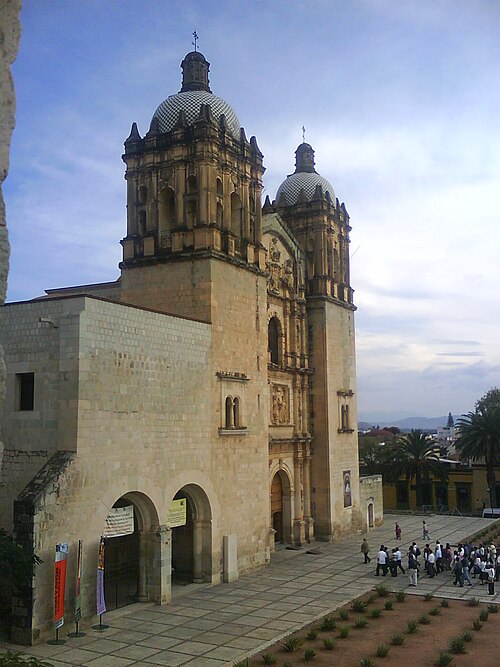

I notice I’ve written a whole essay about a place I’ve experienced entirely through other people’s photographs and paragraphs. The green cantera stone the churches are cut from, the arcaded portales around the zócalo, the late-night food carts: I’ve assembled a city out of secondhand parts and I’m half in love with the assembly. When I finally grind something on a metate, or fail to, I think I’ll find out how much of this I got right. I suspect the answer is: less than I hope, and enough to have been worth the wanting.
The facts, for the reader who’s going. Oaxaca de Juárez is the capital of Oaxaca state, in southern Mexico; its own airport (OAX) takes flights from Mexico City and a few other hubs. The craft villages (San Bartolo Coyotepec for black clay, Teotitlán del Valle for weaving, San Martín Tilcajete and San Antonio Arrazola for alebrijes) sit within the Valles Centrales, most an hour or less from the city by colectivo or car. The one thing worth timing: Día de Muertos, at the start of November, is the peak and the most crowded season, so choose it deliberately or avoid it deliberately. Verify current market days and any workshop-visit arrangements before you rely on them.
Sources
- Photo: Soulecito (Slevinr), CC-BY 3.0 · img/barro-negro-unfired-pots.jpg
- Photo: Hajor, CC-BY-SA 1.0/3.0 · img/monte-alban-gran-plaza.jpg
- Photo: Eddann123, CC-BY-SA 3.0 · img/santo-domingo-cantera-verde.jpg
- Metate (Wikipedia)
- Barro negro pottery (Wikipedia)
- National Geographic: Oaxaca pottery
- Friends of Folk Art: Barro negro
- Mexico News Daily: Doña Rosa
- Teotitlán del Valle (Wikipedia)
- Mexico News Daily: Zapotec weaving
- Alebrije (Wikipedia)
- Oaxaca Travel: Mercado 20 de Noviembre
- Chapulines (Wikipedia)
- Mezcal (Wikipedia)
- Monte Albán (UNESCO)
- Monte Albán (INAH)
- OAX Airport (Wikipedia)
- Central Valleys (Wikipedia)
- Rick Bayless: Oaxacan black mole